Visual Arts
There are three areas of focus in the IB visual arts programme: Studio (practical) work, the Process Portfolio and a Comparative Study. The course aims to teach students about design, structure, representation, and the aesthetic values of art. Students need to demonstrate creative and personal thinking, original ideas and concepts, and an interactivity between their work and work from other cultures and other artists. The visual arts course encourages students to develop new skills and experiment with different art styles and techniques.
An exhibition of the students' work will be curated as their final assessment for IB. A Process Portfolio, consisting of digital slides, documents their artistic endevours, usually done in an artbook, These art journals should document art and design history that is relevant to the exploration of ideas; contain notes, sketches, photographs, mind-maps, pictures of inspiration and final works. The Process Portfolio is assessed externally by IB. The Comparative Study is also assessed externally. The final exhibition is graded internally by the teacher, then moderated by an IB examiner.
An exhibition of the students' work will be curated as their final assessment for IB. A Process Portfolio, consisting of digital slides, documents their artistic endevours, usually done in an artbook, These art journals should document art and design history that is relevant to the exploration of ideas; contain notes, sketches, photographs, mind-maps, pictures of inspiration and final works. The Process Portfolio is assessed externally by IB. The Comparative Study is also assessed externally. The final exhibition is graded internally by the teacher, then moderated by an IB examiner.
Student Work
IB Art Exhibition
Term 1 - Fall

Mau. 'My Time and Place'. Acrylic paint

Yuki. 'Singularity'. Acrylic paint, sawdust, modelling paste, wire, nails

Yuki. 'Social Network Sins'. Acrylic paint, wooden blocks, plastic figures, modelling paste

Mau. 'Self-portrait'. Smoke painting
|

Seokyung. 'Self-Identity'. Charcoal

Seokyung. 'Isn't it strange?'. Oil paint on canvas

Manae. 'Our Water'. Modelling material, resin

Megumi. 'John'. Paper collage
|

Mau. 'In Memorium'. Wire, oil paint

Megumi. 7 Sins/7 Virtues. Paper collage

Megumi. 7 Sins/7 Virtues. Paper collage

Mau. 'Self-portrait'. Smoke painting
|
Term 2 - Winter

Seokyung. 'Outer Universe'. Oil paint and silkscreen ink on canvas

Yuki. 'Inception'. Acrylic paint, marker pen on board

Yuki. 'Inception'. Marker pen, watercolour paint on board

Yuki. 'Insecurity'. Acrylic paint on board
|

Megumi. '.나의 달, 안녕'. Paper collage

Megumi. '.나의 달, 안녕'. Paper collage

Manae. 'Waterfall'. Papier mache, plastic string, plastic sequins and beads
|

Mau. 'Family'. Fabric, polystyrene

Manae. 'Splash!'. Digital print

Manae. 'Splash!', detail. Digital print
|
Term 3 - Spring

Yuki Matsushima

Seokyung Kim

Yuki. 'Eternity'. Mixed media

Megumi. 'Countryside'. Acrylic on board
|

IB Artists: 14 May, 2023. Final Exhibition

IB Artists: 14 May, 2023. Final Exhibition
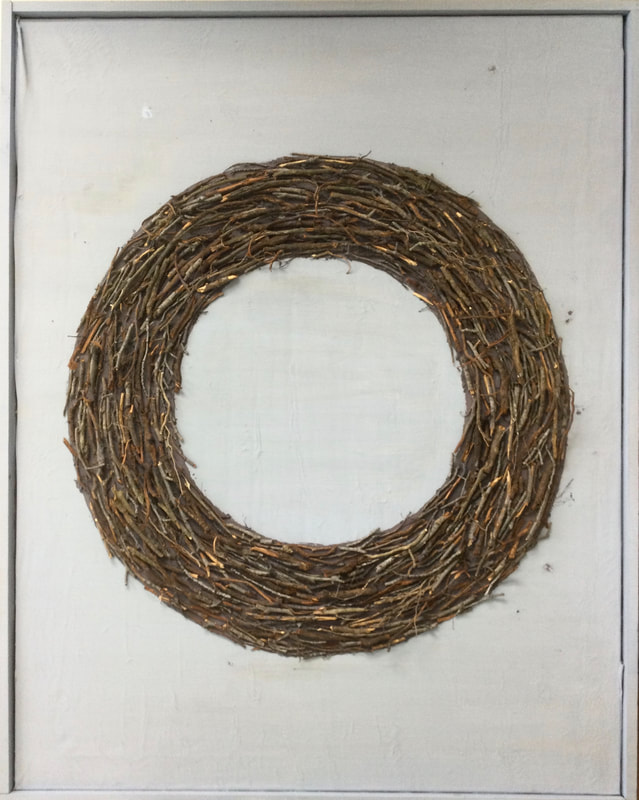
Gr 11 (first year), Mau. Genesis. Acrylic paint on canvas. Sakura roots and twigs
|

Megumi Madae

Manae Madae

Seokyung. 'Loneliest Whale'. Oil paint on canvas

Manae. 'Splash'. Plaster, resin, acrylic paint on wood
|
Updated Apr'23